Book Appointment


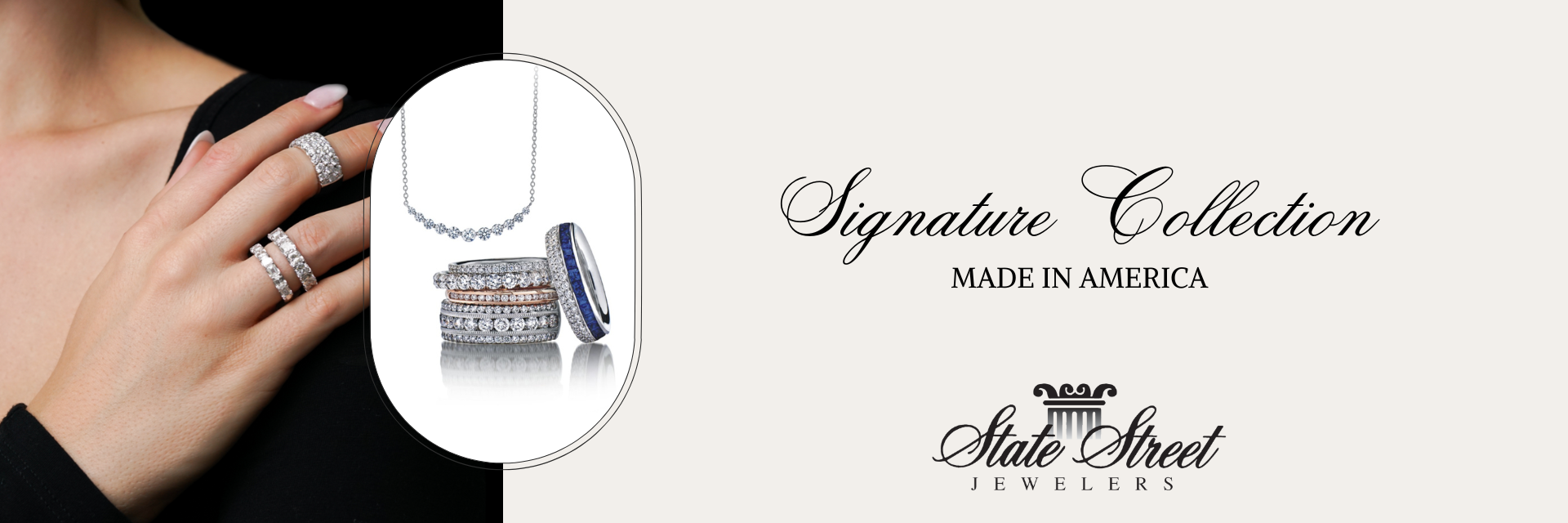
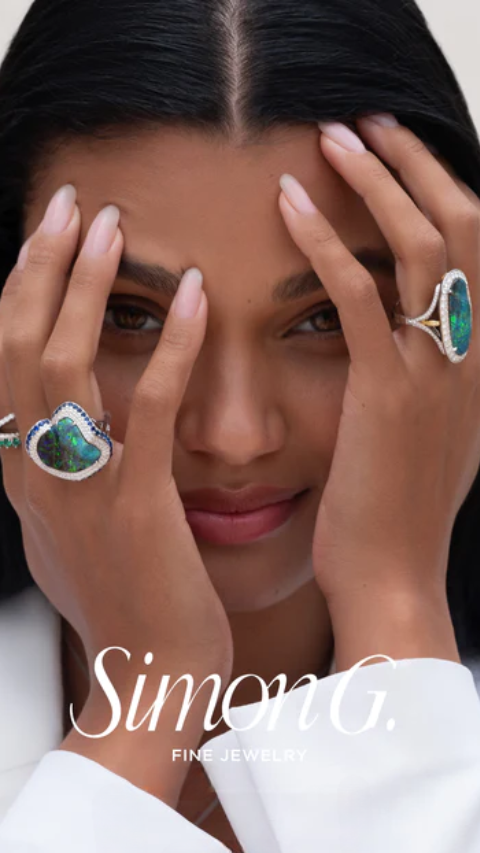


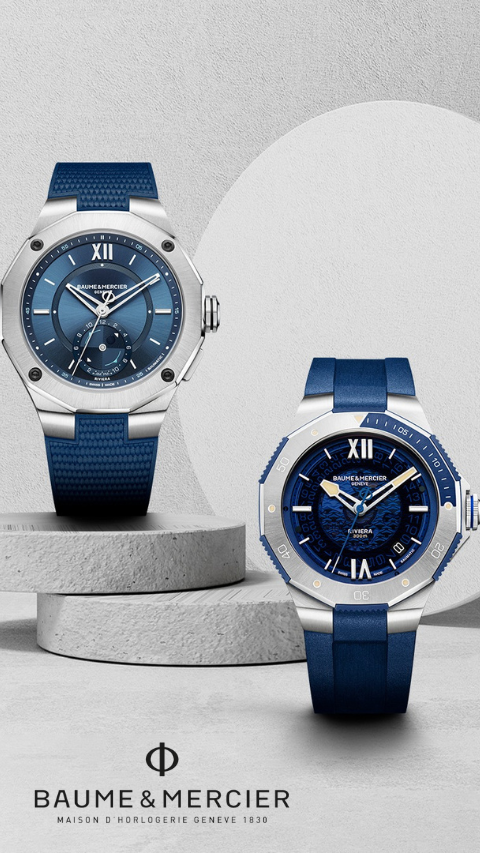

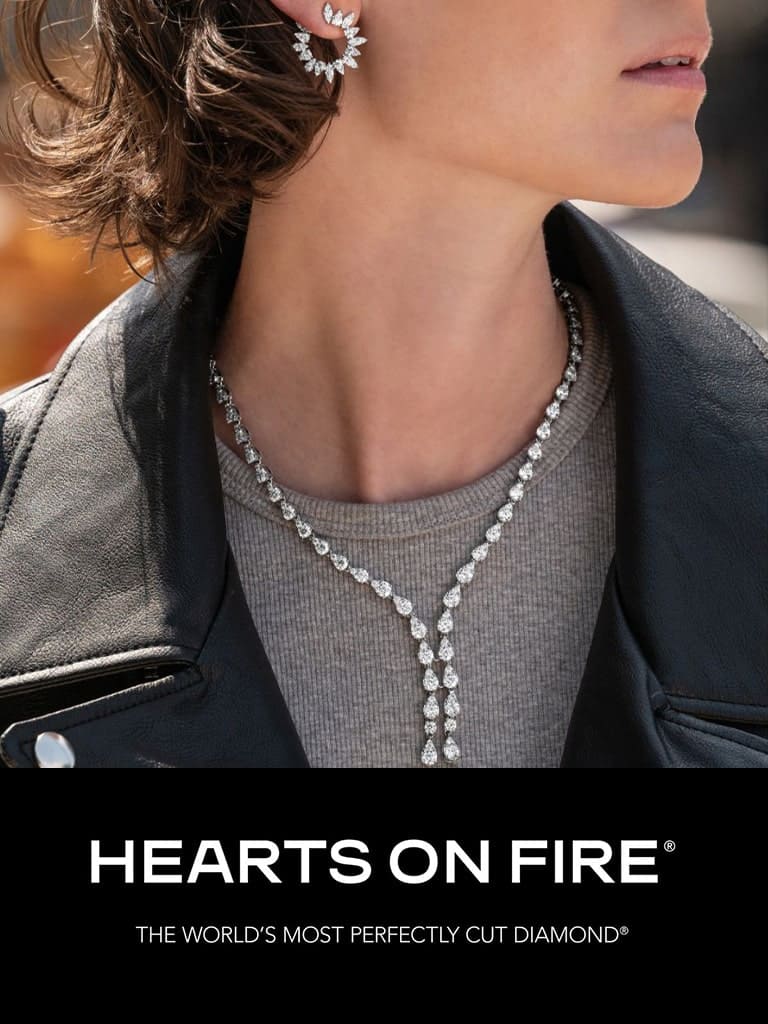
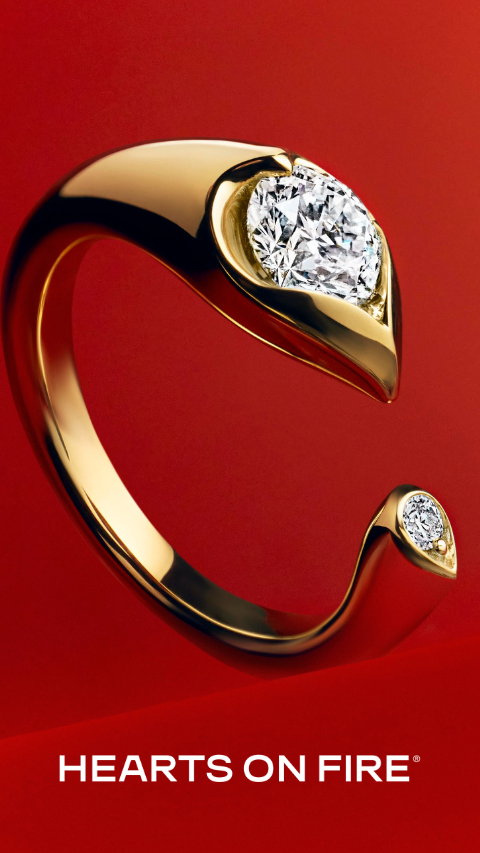



Shop Our
Top Designers





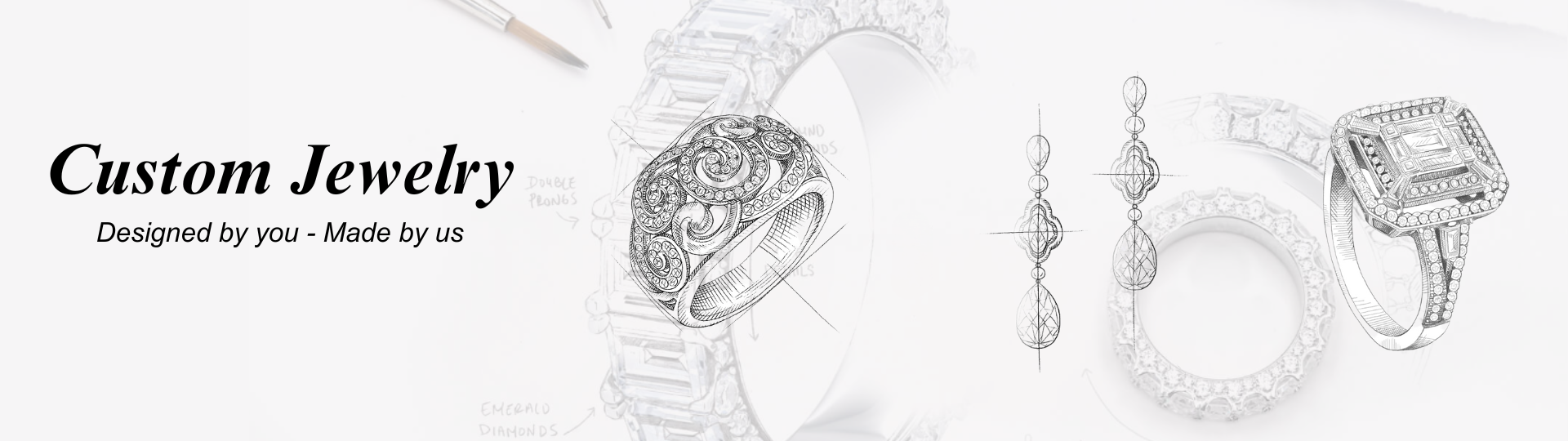
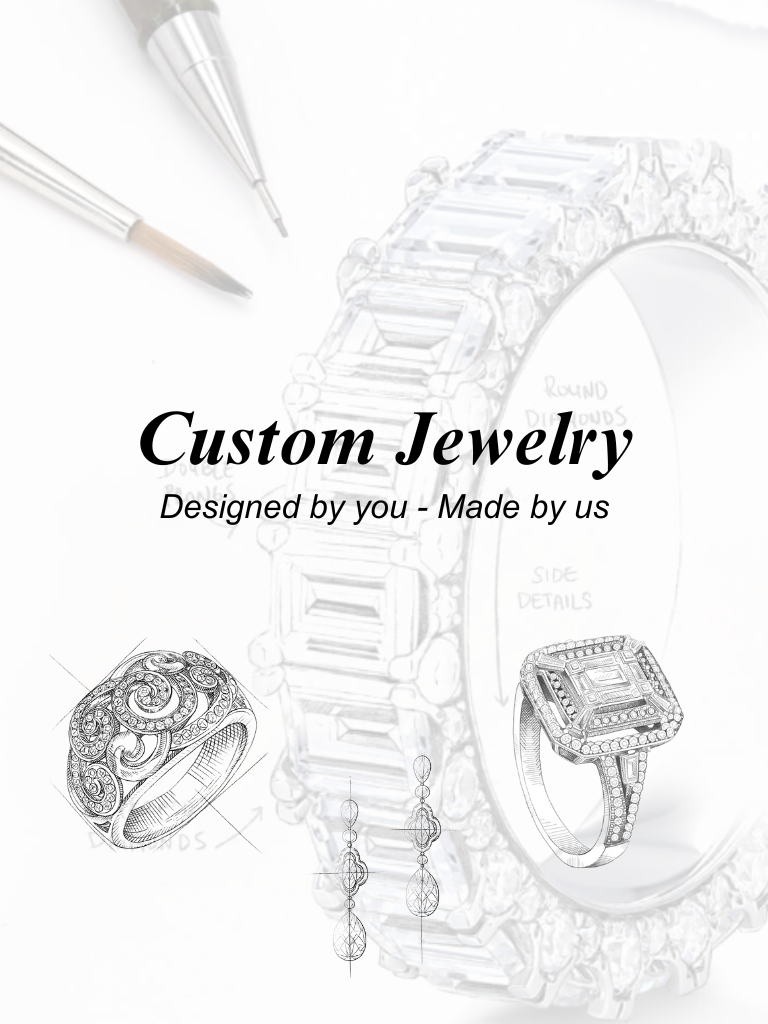
Custom Jewelry Design
Learn More →SHOP BY CATEGORY
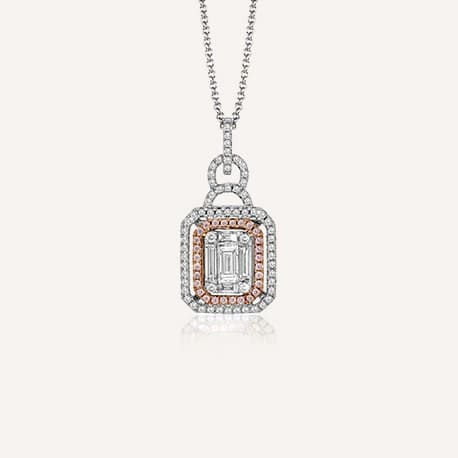
NECKLACES
View collection →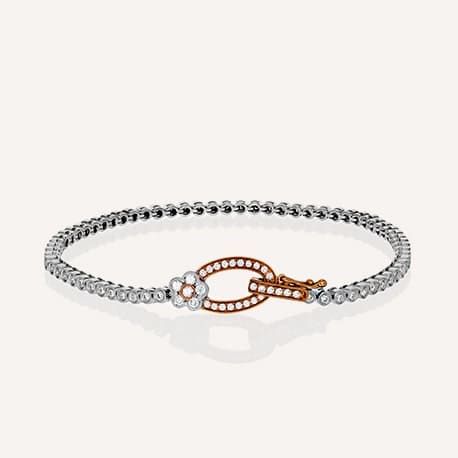
BRACELETS
View collection →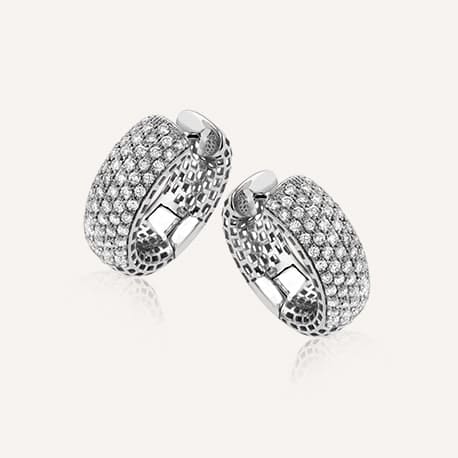
EARRINGS
View collection →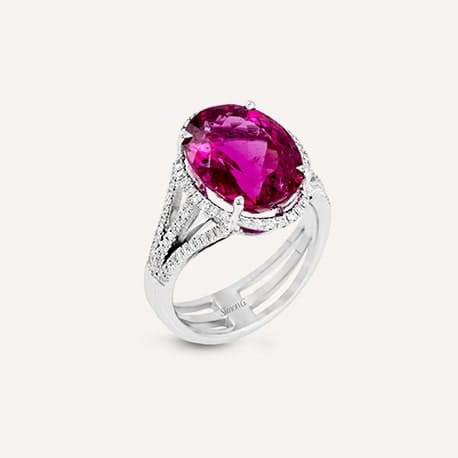
FASHION RINGS
View collection →


WELCOME TO
STATE STREET JEWELERS
Here at State Street Jewelers, a world of beautiful jewelry awaits you. Established in 1952, State Street Jewelers has been renowned throughout the Fox Valley for our highly educated staff, top-notch customer service, exceptional jewelry work, and dedication to the local community.
ON-SITE
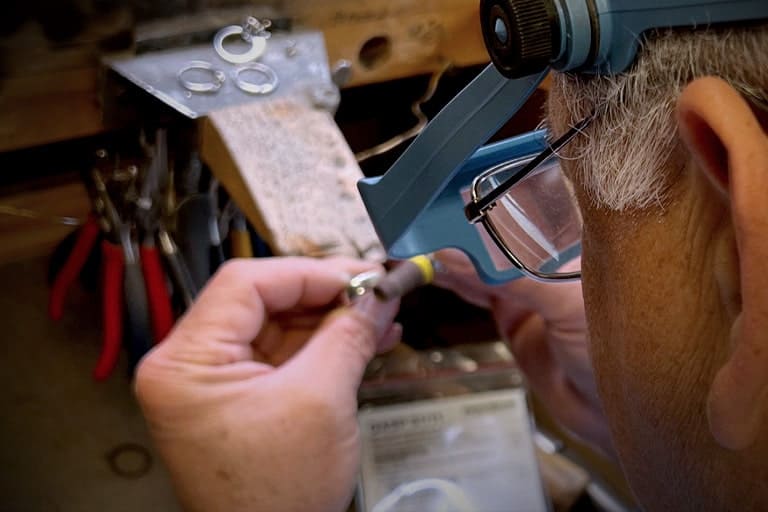
JEWELRY SERVICES
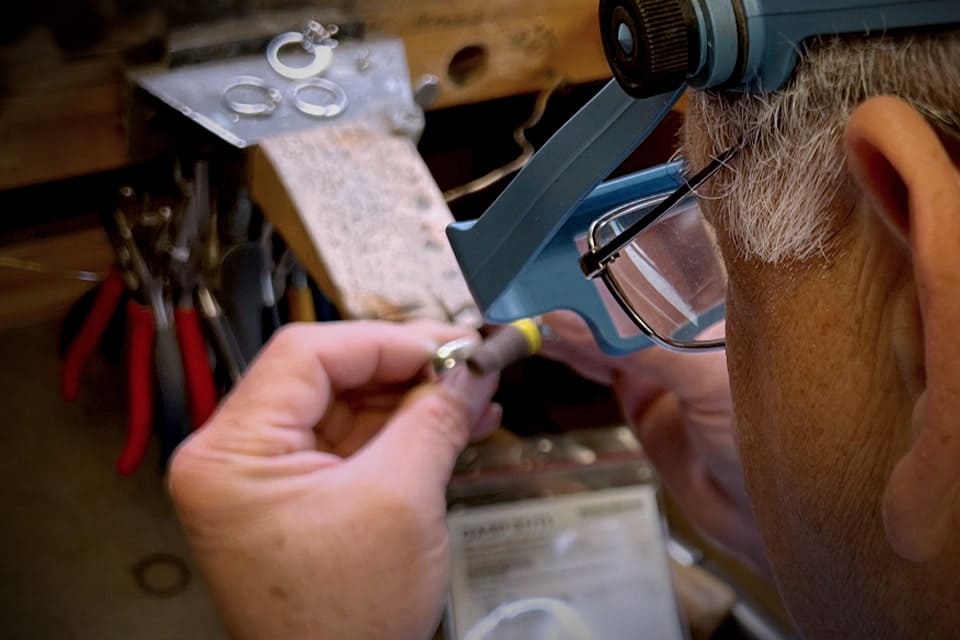
State Street Jewelers has a full service jewelry repair and manufacturing studio on premises. Our expert jewelers are skilled in all phases of repair and restoration. We employ the latest equipment including computer-aided jewelry designing, laser soldering, and engraving, but it's our passion for fine jewelry that makes the real difference. If your jewelry is a little tired or worn, we'll make it shine like new again.
REVIEWS

Follow Us on Instagram
@statestreetjewelers